Older brick houses
Joints on older homes often wear back unevenly, worst on the walls that catch the most rain, so we repoint the bad stretches and match them to the joints that are still sound.
Mortar crumbling out of your brick joints? We clear them by hand and refill them with a mix that suits the age of your house.
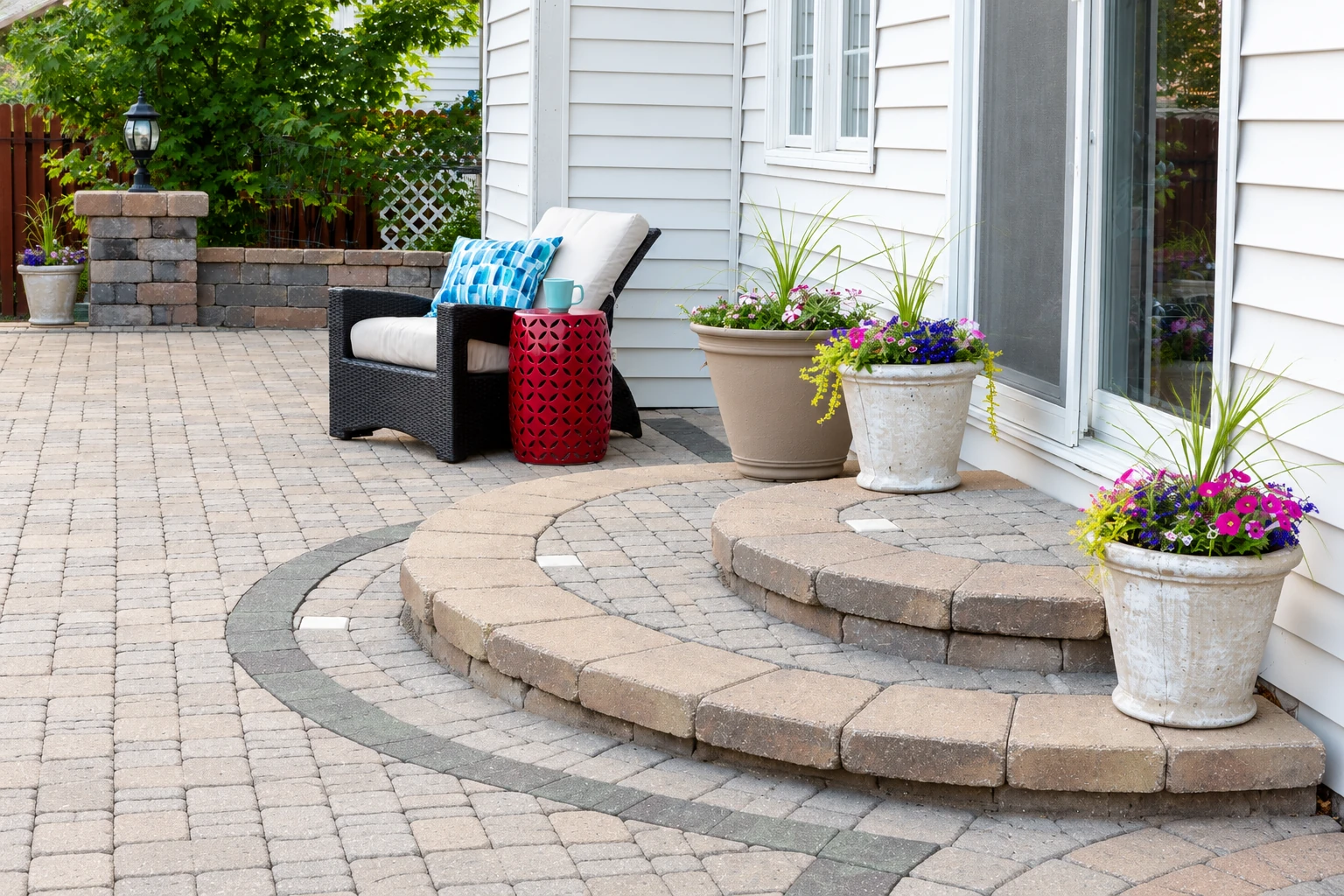
Brick pointing in Little Rock is the work of cutting worn, crumbling mortar out of your brick joints and packing fresh mortar in its place, which is one of the best ways to keep water from working into a brick wall.
Most calls start with mortar that's gone soft and sandy, or a crack someone noticed running along a few joints. The price turns on how much wall needs it, how high we have to work, how stubborn the old mortar is to cut out without hurting the brick, and how closely the new mix has to match an older house. The schedule mostly follows the size of the job and whether a permit has to come first.
We're based in Little Rock and work in the cities around it across central Arkansas. When you call, I come look at the joints in person and write up what we'd do and why, so the plan comes from your wall and not a guess over the phone.
I come out to look at your brick myself and then work on the job alongside our crew, so the person who explained the work is the one doing it.
Careful repointing on older brick homes is what we're best known for, and on those houses the whole job is matching what's already in the wall, so new mortar works with the old.
I'd rather explain a joint twice than have you sign off on work you don't understand, and I'll tell you plainly when a wall can wait another season.
Pointing is slow, careful hand work. We cut the old mortar out to an even depth with chisels and hammers instead of racing through with a grinder, because a grinder chews up brick edges, and on soft old brick that damage stays.
Before we mix anything, I ask how old your house is, since that tells us what belongs in those joints. Then we pack the fresh mortar in, firm it up as it sets and shape each joint to match the ones beside it, so the repair looks like part of the wall. We clean the brick face and haul the old mortar away when we're done.
Sometimes the joints are only telling part of the story. A crack that steps up the wall or keeps coming back usually means the house is moving, and that's a foundation repair question before it's a mortar one. Chimneys wear faster than the walls below them, so plenty of our pointing ends up as part of a chimney repair.
Joints on older homes often wear back unevenly, worst on the walls that catch the most rain, so we repoint the bad stretches and match them to the joints that are still sound.
Chimney joints take rain and sun on every face with nothing to shelter them, so they tend to crumble before the walls below and are worth checking whenever the roof gets looked at.
Brick steps, porch piers and low garden walls sit close to the ground where water splashes and puddles, so their joints soften early and loosen bricks if they're left too long.
When a cracked or flaking brick gets swapped out, the joints around it need fresh mortar too, and we match the color and shape so the patch doesn't stand out.
We'll reply within one business day to set up a free visit. I'll look at your joints in person and write up what we'd do and why, and there's no obligation to book.
A few phone photos of the cracked or crumbling joints, one up close and one from across the yard, help me see how much of the wall is involved before I come out.
Even a rough guess at the decade your house went up helps, because it narrows down what's already in your joints before I scratch a single one.
If your house sits in the Capitol Zoning District, mention it with your request, so we can sort out the district's permit question before we talk start dates.
These examples show joint shapes, mortar colors and brick patterns worth talking over when we walk your house together.
Here's what homeowners ask me most about worn joints, mortar, picking a mason and permits near the Capitol.
Your brick is due for repointing when the mortar has worn back more than a quarter inch, crumbles, has holes in it, or shows hairline cracks in the mortar or between the mortar and brick. Getting to it then means less water works its way into the wall. If you're not sure, send a close photo and I'll tell you what I see.
Usually a softer, lime-rich mortar, because brick laid before the early 1900s mostly sits in lime mortar and new mortar shouldn't be stronger than the old. A hard, cement-heavy mix stresses old brick and can make its face flake off. In the Capitol Zoning District, the rules ask for repointing mortar that looks like the historic mortar, high in lime with a little Portland cement.
Choose someone with real repointing experience, because it's a skill of its own and an excellent mason isn't always qualified for it. You can ask to have a mason's repointing skills tested and judged before you hire. I learned this work on my dad's crews and started this business in 2021, and we're fully licensed and insured.
Mortar joints typically last more than 25 years, depending on how exposed the wall is and the mortar used, while the brick can go well past 100 years. So the mortar is the part of the wall you renew now and then, and good repointing helps the brick keep doing its job. Our work is satisfaction guaranteed.
You might. The Capitol Zoning District Commission requires its permit before alterations to existing buildings in its district, and you may need it even when the city doesn't require a permit. Its staff can answer for your house at 501-324-9644, and there's no fee. We check with the office for your address and apply for any permit that's needed.
Joints caught early usually just need new mortar, so call (501) 274-1083 or email photos to contact@littlerockmasonryandconcrete.com before the brick starts to go.