
Foundation repair
We dig out around cracked or settling foundation brick and block, find what moved it, then rebuild the damaged courses and joints so the wall carries the house evenly again.
Capstone Little Rock Masonry & Concrete is a masonry contractor based in Little Rock that works in Jacksonville, AR, repairing brick and foundation block, repointing crumbling joints and building walls, walks and retaining walls.
On a Jacksonville house, the masonry trouble I look for first is usually down low. The city's flood guidance names Bayou Meto and Jacks Bayou as the sources of its flooding. In heavy storms, water can stand four or five feet deep across many blocks, and shallower water still covers yards and gets into garages and lower floors. The city also says many houses built before September 29, 1978 were built below the base flood elevation, the level a major flood is expected to reach, because the rules back then didn't ask for more. On those houses I look hardest at the lowest brick, block and joints, since that's where standing water does its damage.
What a job here costs turns on how much brick or block has to come out, how far the damage runs behind the face, how hard the old brick and mortar are to match and how easy the wall is to reach. The schedule mostly turns on whether the city needs a permit for your job and how long that review takes, and on finding brick that matches. Your own figure comes from the estimate, after I've seen the wall.
We're based in Little Rock and work in the cities around it across central Arkansas, so the same repointing and wall work we do here goes on in Sherwood next door, up the road in Cabot and down in Bryant.
I come out to each Jacksonville job and then work on it alongside the crew, so the person who looked at your wall is the one laying the brick.
A lot of our work is repair on older brick, so we match new mortar to the old in color and strength, letting the repair work with the wall instead of fighting it.
If a crack looks old and hasn't moved, or a joint has years left in it, I'll tell you so, and I'm happy to go over it twice before you decide.
We dig out around cracked or settling foundation brick and block, find what moved it, then rebuild the damaged courses and joints so the wall carries the house evenly again.
We rebuild cracked crowns, the concrete cap on top, along with loose brick and washed-out joints above the roofline, matching the old brick so the repair doesn't stand out.
We grind out crumbling mortar and pack new joints in a matching color, then run a thin contrasting line down the middle so the wall reads crisp again.
When a few bricks have cracked or flaked their faces off, we cut them out one by one and set replacements that match in size and color, so the patch blends in.
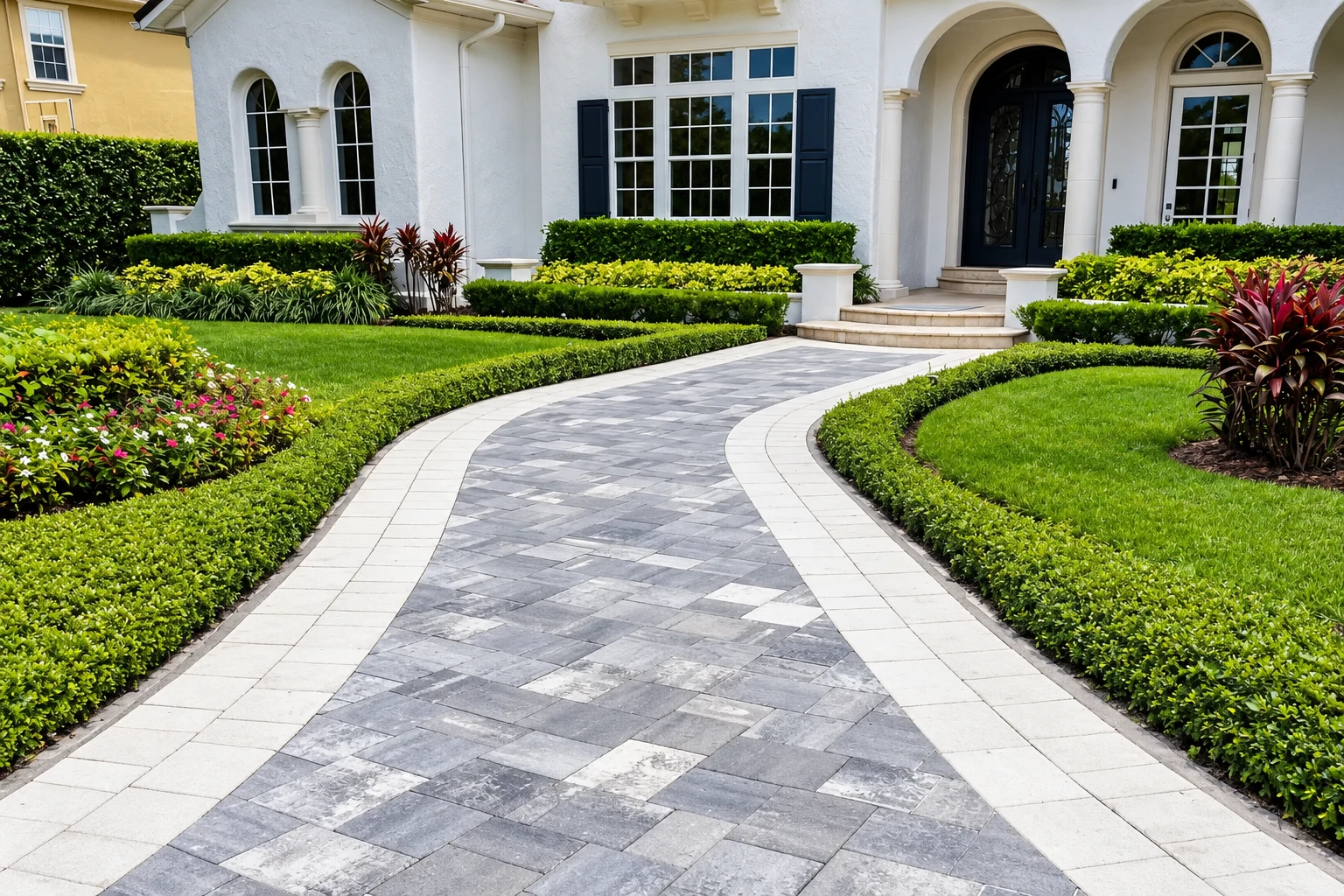
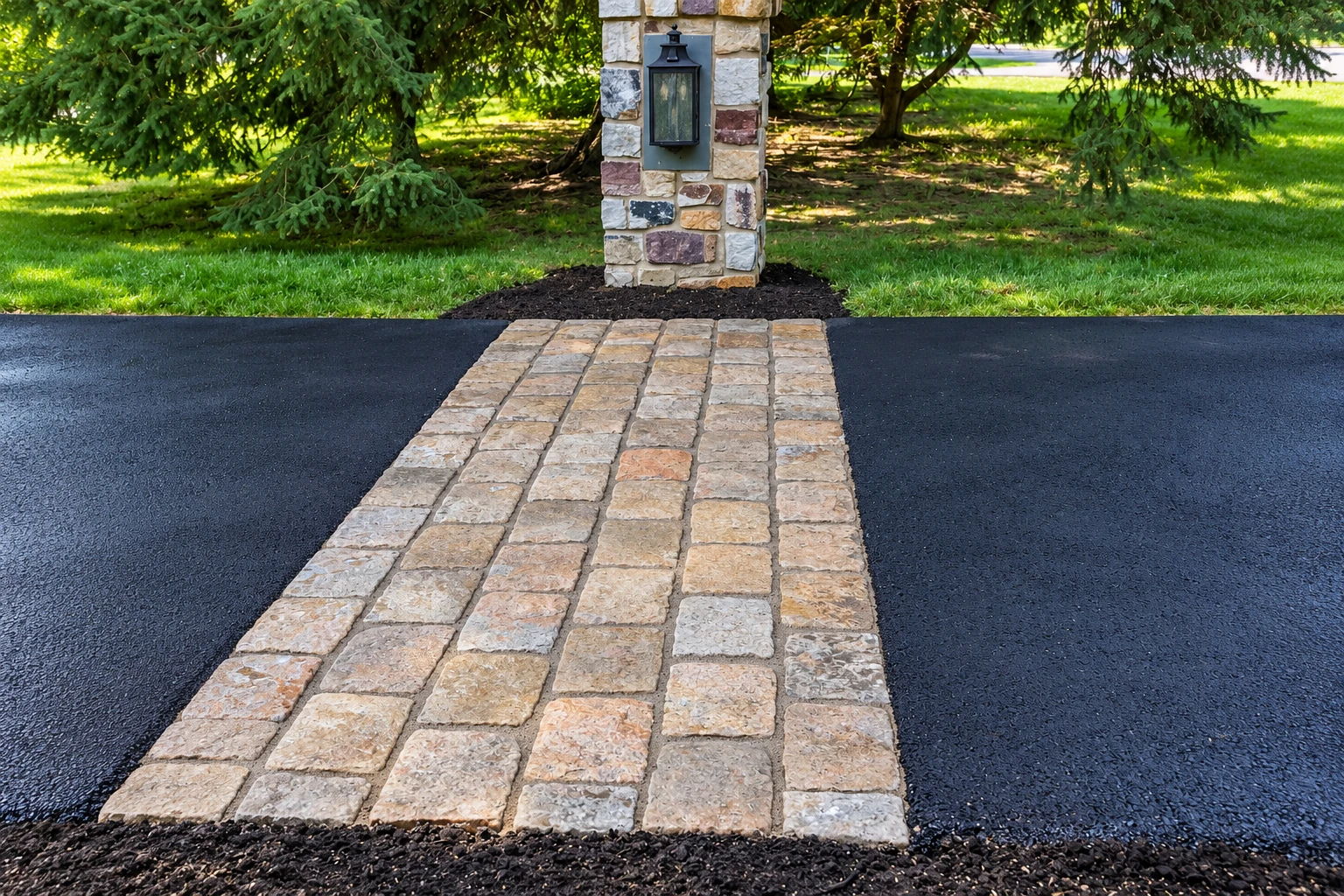
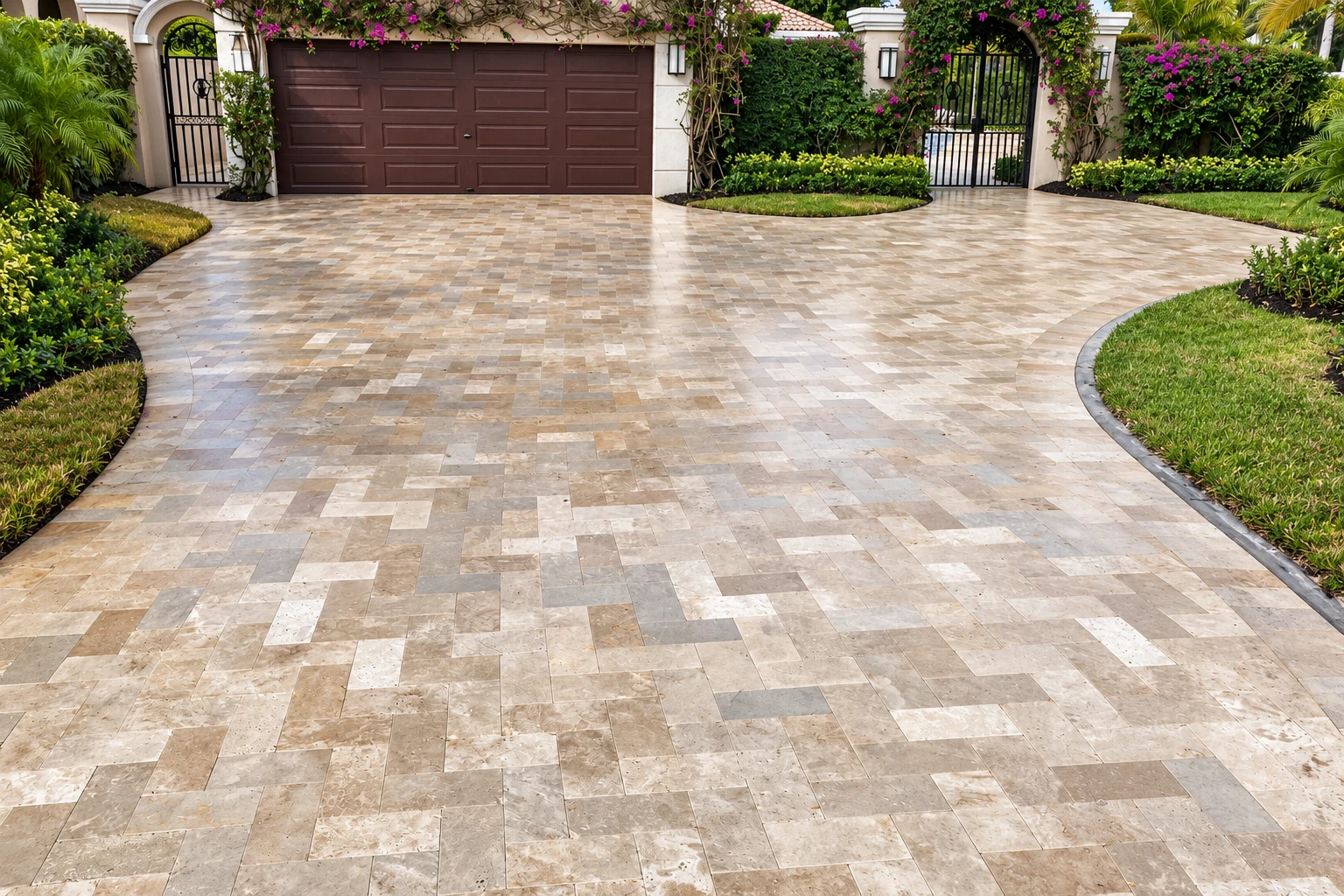
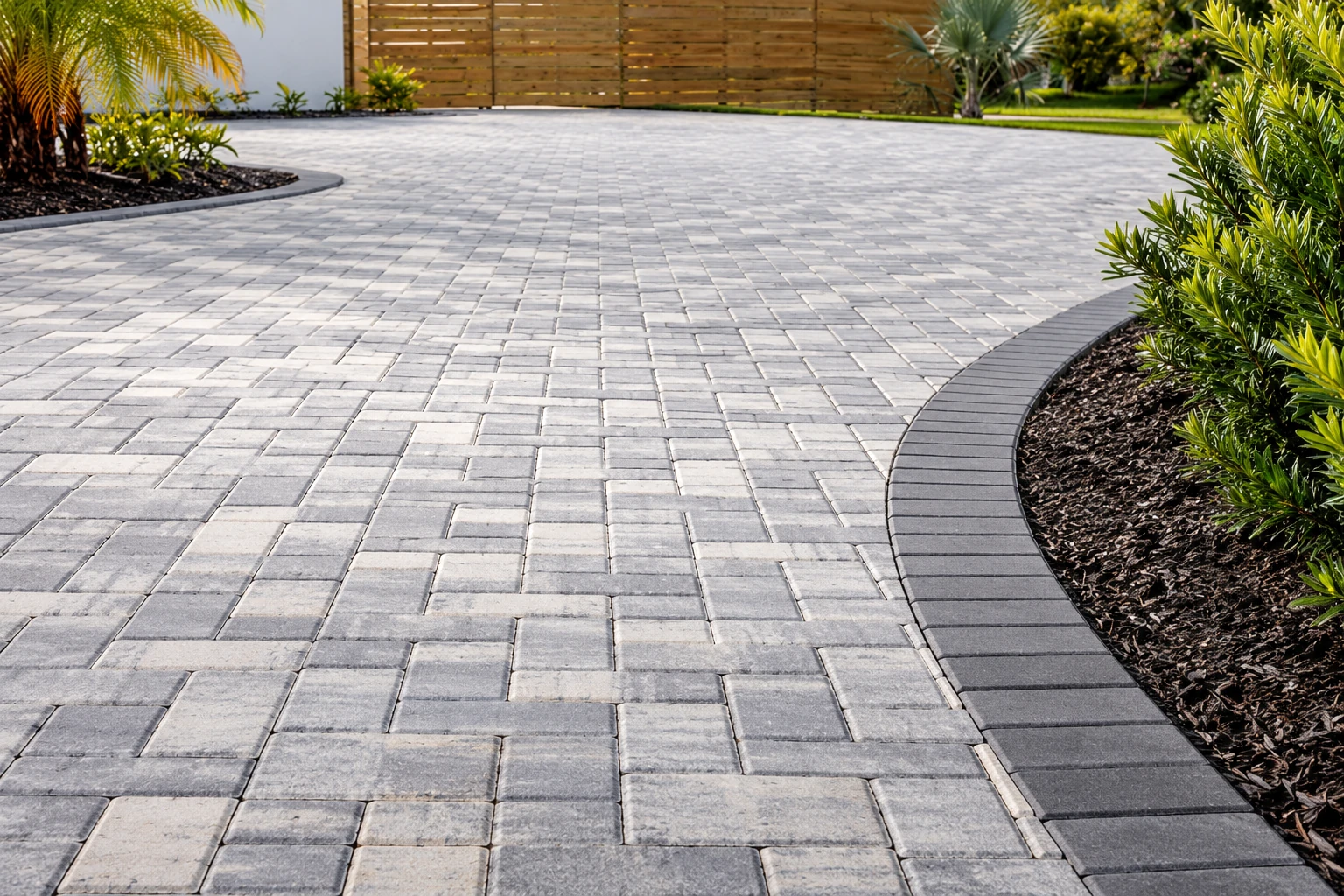
We lay paver driveways over a dug-out, packed base, because the base is what keeps pavers from sinking under a car, and set edging so the pavers don't spread at the sides.
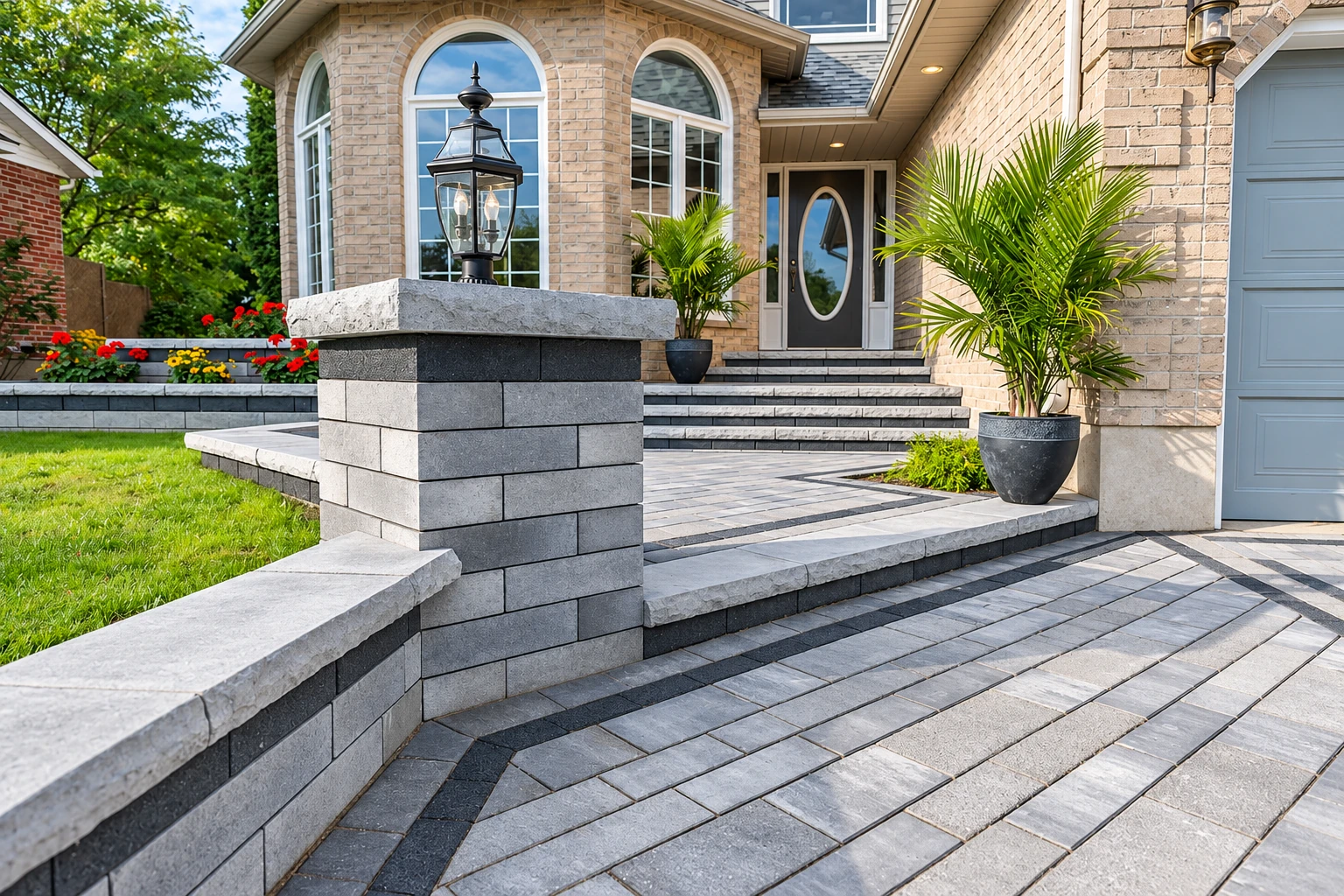
We build retaining walls with gravel behind them and a way for water to get out, since water trapped behind a wall is what usually pushes one over.
For older brick homes with worn joints, mismatched old patches and loose brick, we work through the whole wall so old and new read as one job.
We build brick and stone fireplaces and hearths, keeping the gaps the firebox maker calls for around the fire, so the masonry fits the room and works the way it should.
We install stone veneer over a water barrier with a path for water to drain out, because moisture caught behind thin stone is what usually loosens it.
We lay block walls for yards, sheds and garages, filling the hollows with steel and grout where the wall needs strength, and keeping every row level from the first one up.
We set foundation block on a footing, the concrete strip the wall stands on, and check it level before laying, because a wall is only as straight as what's under it.
We build the brick, block or stone base for a grill, counter and sink, leaving openings for gas, water and power so other trades can run lines without cutting finished work.
We build brick, stone and concrete walks on a packed base and slope them slightly so rain runs off to the side instead of pooling at your door.
We lay new brick garden walls, screen walls and planters, picking brick and mortar that suit the house, with a cap on top so water runs off instead of soaking in.
We lay natural stone for walls, steps and accents, fitting each piece by hand and keeping joints tight, so the work looks settled in place rather than stuck on.
Repointing old brick is what we're best known for, raking out loose joints to solid mortar and refilling them so the new lines blend with the rest of the wall.
Send the form and we'll reply within one business day to set a time. I come out, look at the work and write up what we'd do and why, free and with no pressure to book.
A few words about where the crack or crumbling joint is, and how long you've noticed it, tells me what to look at first when I come out.
That's our promise on the work, and it's why I want the plan to make sense to you before anyone rakes out the first joint.
If you'd rather talk it through, call (501) 274-1083. Our hours are 7 AM to 11 PM on weekdays and 6 AM to 10 PM on weekends.
These are the practical questions about permits, licenses and flood rules worth settling before masonry work starts on a Jacksonville house.
It may need one, because the city's Engineering Department issues permits for any alteration to a building or land, even regrading or filling in the floodplain. Before we start, we check with the city, and when a permit is needed we apply for it. If your lot isn't in a recorded subdivision, a home permit waits for the Planning Commission's next monthly meeting, which can set your start date.
On bigger jobs, yes. To get a city residential building permit, work estimated at $20,000 or more needs an Arkansas State Contractors License number, so on a larger foundation or wall job that license is part of the paperwork. The state's Contractors Licensing Board sets the rules for home contractors, and we're fully licensed and insured.
You'll need a floodplain development permit from the city before the project begins, and skipping it can bring penalties, high insurance rates among them. If the work comes to half or more of the house's prior value, the whole house has to be treated as substantially improved. That's part of what we look into when we check with the city for your address.
These are the cities with their own page on our site, and we work in others around Little Rock too. If yours isn't listed, call or send the form and ask.
A crack or crumbling joint caught early is usually a smaller repair, so call (501) 274-1083 or send the form and describe what you're seeing.