Property line and privacy walls
A brick wall along a side or back line gives you privacy and a clear edge, and on a long run the shape we pick keeps it straight without making it needlessly thick.
Planning a garden or boundary wall and worried it'll lean or crack? We plan the shape, brick and cap so it stays straight and dry.
Brick wall installation in Little Rock means building a freestanding brick wall for a garden, patio or property line, shaped to stand straight on its own and capped to shed rain, so you get a solid edge that needs little care.
Most folks who call us already have a spot picked out, maybe a side line that needs privacy or a patio that needs closing in, and they've seen enough leaning, cracked walls around town to want theirs done right. I'll walk the spot with you and point out what matters for your wall, from the slope of the yard to where the rain runs.
The price moves with the wall's length and height, whether it needs extra thickness or piers to stand on its own, the brick and cap you choose, and how much digging and leveling the ground takes. The schedule turns on the weather, because we'd rather not lay brick into a hard freeze, and on whether the office that covers your address wants a permit first. We're fully licensed and insured, and your own figure comes from the estimate once I've seen the spot.
I come out to look at your wall myself and then lay brick on it alongside the crew, so the person who planned your wall is right there while it goes up.
Most of our work is matching older brick, so for a new wall we look for brick and mortar that sit right beside your house instead of looking like they came from somewhere else.
I started this business in 2021 after years on my dad's crews and others around Little Rock, and we work here and in the cities around it across central Arkansas.
I plan the wall's shape, brick and cap together, because a freestanding wall has nothing holding it up but its own shape and nothing keeping rain out of its top but the cap. A single row of brick can only be so thin for its height before wind or someone leaning on it starts to push it over, so on taller or longer runs the usual answer is a thicker base, piers that stand out from the face, or a zigzag or staggered line. Each of those changes how the wall looks, so we settle it with you before we dig.
Next we pick the brick for how exposed the wall will stand, and the cap along the top is part of that same choice, since a cap that throws water clear of the face protects the brick under it. A wall out in the open takes more weather than one tucked against the house. Paving right beside the wall should slope away from it where it can, or have a drainage strip, so the bottom rows stay drier.
The ground here is the other half of the plan. A lot of Arkansas soil is clay that swells when it's wet and shrinks when it dries, and walls built without allowing for that can pull apart, so I look at the soil and drainage before we decide where and how the wall goes in. If the ground sits higher on one side, the back may need a barrier to stop water and salts moving through, and a wall that truly holds back dirt is a retaining wall with its own detailing. For a stone look, our stone masonry covers stone walls and accents, and if an old brick wall only has worn joints, brick pointing may save it without a rebuild.
A brick wall along a side or back line gives you privacy and a clear edge, and on a long run the shape we pick keeps it straight without making it needlessly thick.
Low brick walls around beds and front gardens frame the yard, and when soil will sit against one side we plan for it, because damp dirt keeps the brick behind it wet.
A low wall around a patio can close it in like a room and double as seating, so we choose a cap wide and smooth enough to sit on that still sheds rain.
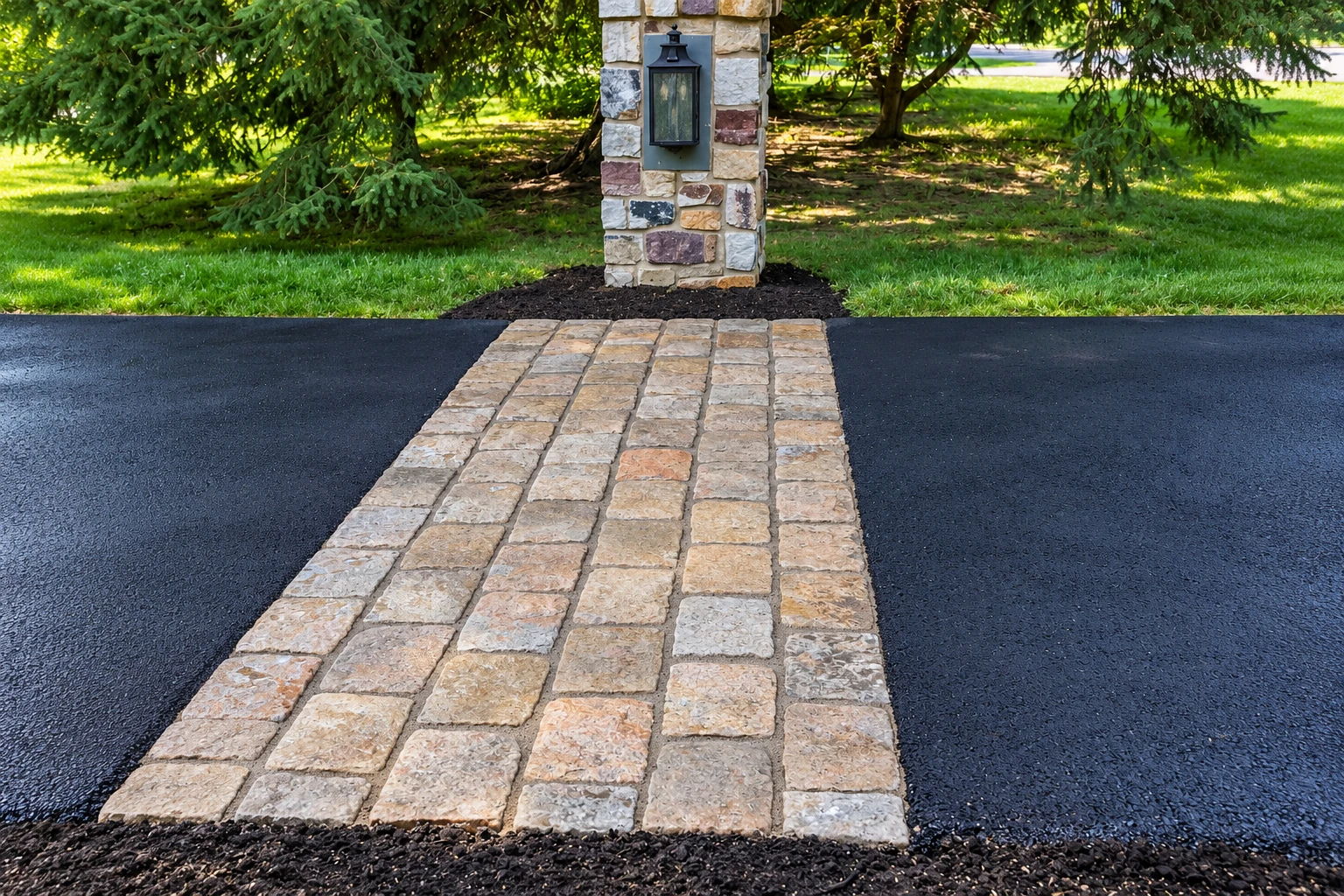
Short walls and brick columns at the driveway or front walk are the first thing visitors see, so we size the columns and caps to suit the entrance and keep them standing true.
Send the form and we'll reply within one business day to set a visit. I'll look at the spot myself and write up what we'd build and why, free and with no pressure to book.
A rough length and height, even paced off, lets me think about thickness and piers before I arrive, so the visit goes straight to the details that matter for your wall.
Let us know if the ground is higher on one side or stays soggy after rain, because a slope or a wet spot changes how the wall is built and what it costs.
Tell us the brick you like or the house brick you want matched, plus any cap or column ideas, so we can talk through real options when I come out.
These photos show brick patterns, cap styles, piers and stone accents you can point to when we talk about your own wall.
Straight answers to what people usually ask us before building a brick wall in Little Rock, from cost to permits.
Brick and masonry work in Little Rock usually costs about $10 to $25 per square foot. That's the going rate around here, not our quote, and where a wall lands depends on its size, thickness, brick and cap. I measure on site and write up what yours would take, free.
For homes inside city limits, the city's Building Permit Desk answers permit questions at (501) 371-4832 or Permits@littlerock.gov, and zoning questions go to (501) 371-4844 or lrzoning@littlerock.gov. Outside city limits, Little Rock no longer handles planning or rules, so another office covers you. Either way, we check with the office for your address and apply for the permit when one's needed.
Mostly by keeping it from getting soaked. A brick wall that's saturated with water can crack and break apart as it freezes and thaws, so it should be built to keep water out before cold weather comes. That's why the cap and brick choice matter so much, along with the wall's shape and the clay ground covered above.
It's most likely efflorescence, a powdery bloom that often shows up soon after a wall is built as the new brickwork dries out normally. That early bloom is part of drying. If it keeps coming back later on, water is probably getting into the wall and staying there, which is worth a call so we can find where it's getting in.
Very little, if it's designed and built well, because good brickwork is durable by nature. The parts built into it, like the cap and any sealant joints, may need a look and a repair now and then, and catching a cracked cap early keeps water out of the brick below. Our work is satisfaction guaranteed.
We answer the phone seven days a week into the evening, so call (501) 274-1083 or email contact@littlerockmasonryandconcrete.com whenever it suits you.