Mortar crumbling or worn back
When joints turn sandy or sit back from the brick face, water has an easier way into the wall. We rake out the worn mortar and repoint so the joints are full again.
Crumbling joints, gaps or hairline cracks in older brick? We repoint and repair them so the new work matches what's already there.
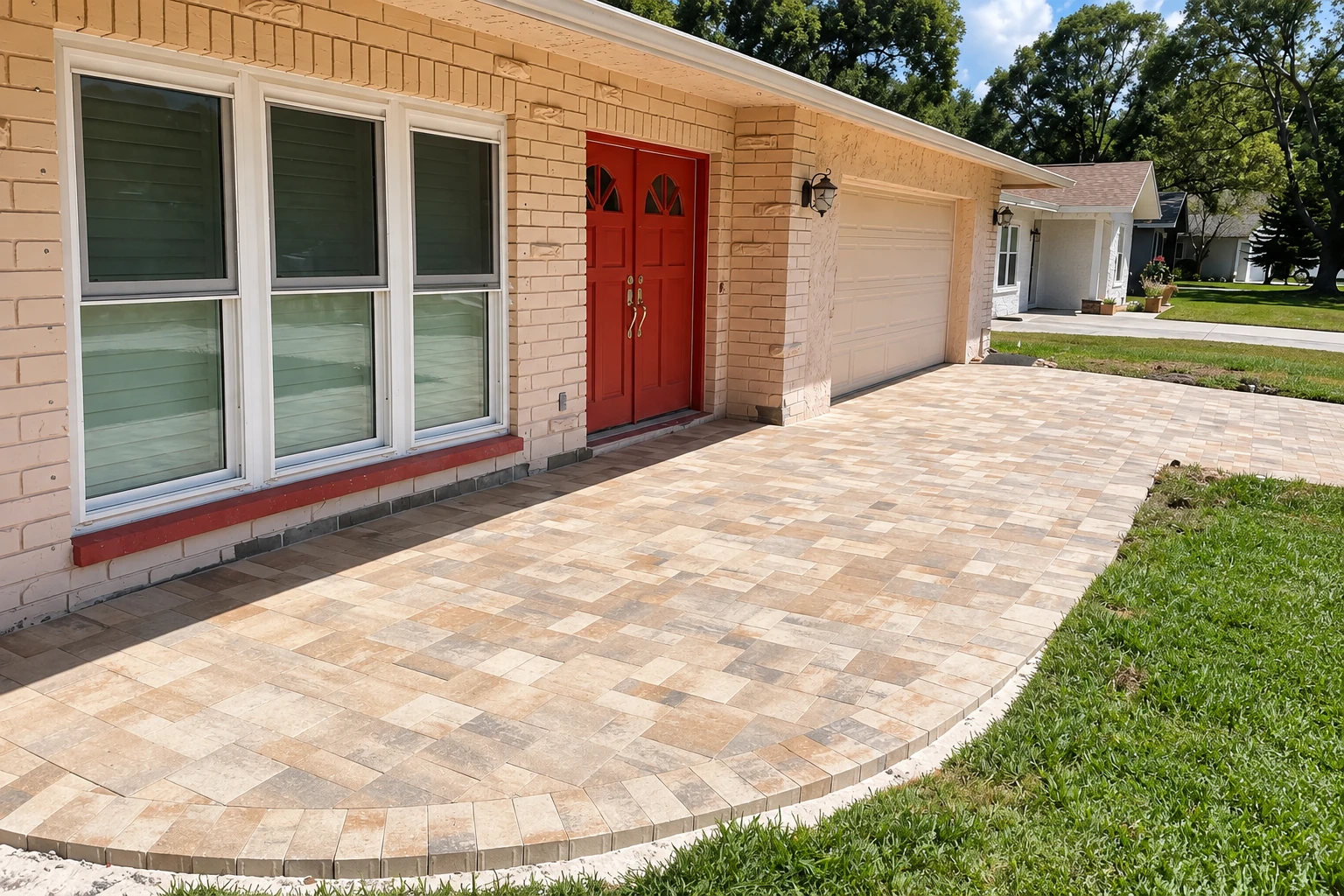
Masonry restoration in Little Rock mostly means repointing, where we clear worn mortar out of your brick joints and replace it with new mortar, along with repairing cracked or loose brick so the wall holds together and still looks like itself.
Most calls we get start with something you can see from the yard, like sandy mortar on a windowsill, a crack stepping up through the joints like a staircase, or an old patch that never matched. We're based in Little Rock and work in the cities around it across central Arkansas, and older brick homes are where we spend most of our time.
The price mostly turns on how many walls need work, how deep the old mortar has to come out, how many bricks need replacing and how hard your brick is to match. The schedule depends on whether structural repairs have to come first and whether the city has to approve the work before we start, so I look at it in person and write up what we'd do and why. We're fully licensed and insured, and on a bigger job it's fair to ask any contractor which state home improvement license they hold, because the Limited one covers only residential projects under $50,000 including labor and material, while the Unlimited one covers any size.
I come out to look at your house myself and then work on it alongside our crew, so the person who explained the job is the one checking the joints.
Matching what's already there is most of this work, so we choose new mortar and brick to work with your old wall instead of fighting it or standing out.
Not every worn joint needs fixing this year. I'll point right at what needs work now and what can hold off, and I'm glad to explain it twice.
I start by walking the house with you and looking at every crack and soft joint, because on an older building we fix anything structural first and save the cosmetic work for after. Repointing over a crack that's still moving just means doing the job twice.
Then our crew rakes out the worn mortar until we reach solid joint and packs in new mortar mixed to match what's in your wall, and the questions below explain why the mix matters so much. Where a brick is cracked or flaking, we replace it with the closest match we can find so the repair doesn't stand out. If you're adding something new rather than fixing what's there, our fireplace installation and stone veneer installation work gets the same care to suit the brick you already have.
We stay away from harsh cleaning, because national preservation guidance for historic brick notes that grit blasting, grinders and sanding discs usually take some of the brick's face off along with the dirt or paint. Before any work starts, we'll also talk through whether your property sits in a historic district, so you know what to check on.
When joints turn sandy or sit back from the brick face, water has an easier way into the wall. We rake out the worn mortar and repoint so the joints are full again.
A few bad bricks don't mean you need a new wall. We cut out the damaged ones and set replacements that match the size and color of the rest as closely as we can.
Earlier repairs often show up as gray, smeared joints that look nothing like the rest of the house. We cut those out and redo them so the wall reads as one piece again.
Worn joints and odd patches are easy for a buyer's inspector to spot on an older brick house. We'll tell you which repairs are worth doing before you list and which can wait.
We reply within one business day. Then I come out, look at your brickwork in person and write up what we'd do and why, free and with no pressure to book.
A few close-up photos of crumbling joints or cracks help me see what I'm walking into, so the visit goes straight to the spots that worry you most.
Your address tells us which office covers your property, and if you know you're in the MacArthur Park district, mention it so we plan around the city's approval.
I'll walk the house with you and point at each joint we'd touch. Ask the same thing twice if you need to, because you should understand the work before agreeing to it.
These photos show mortar joint styles, brick colors and stone finishes you can point to when we talk about matching your walls.
Straight answers to what Little Rock homeowners ask about worn mortar, matching old brick, permits and historic districts before they book any work.
Your joints need repointing when the mortar has worn back more than 1/4 inch, or when it crumbles, has gaps, shows hairline cracks or pulls away from the brick. Walk around your house, look closely at the joints and photograph the worst spots, because those pictures help a lot when you ask us for an estimate.
Mortar joints typically last more than 25 years, while the brick itself may well last more than 100. So on a brick house, plan on some joint repair now and then over its life. At the free estimate I'll write up which walls need it now and which can go a while longer.
Mortar that's harder than your brick can wear the brick out. National preservation guidance for historic buildings says hard mixes high in portland cement let less moisture through than the brick around them and often make that brick wear faster. It says new mortar should match the old in color, hardness and how easily moisture passes through, so that's what we mix for.
We check that before work starts, because the city's permit list doesn't settle it either way. The city's Building Codes Division issues construction related permits in Little Rock, and its list names building, plumbing, mechanical and electrical work, not masonry restoration. We check with the office that covers your address, and when a permit is needed we take care of applying for it.
Yes, if your property is in the MacArthur Park Local Historic District, the city's only local ordinance historic district. Owners there need a Certificate of Appropriateness before doing work on a property. Other historic districts in Little Rock aren't locally protected for exterior changes, so if you're unsure where you stand, check with the city's historic preservation office.
Some owners can. The city says Little Rock owners can claim 30% of eligible expenses on state income tax and 20% on federal income tax. Contact the Arkansas Historic Preservation Program before any work starts, because projects typically can't be approved for the credits after the fact, so make that call before we schedule your job.
Call (501) 274-1083 or send the form, since worn joints are usually a smaller fix now than loose brick becomes later.