Bare block foundations
The gray block showing between your siding and the ground is a common thing people ask us to cover, and veneer gives it a finished face without rebuilding anything.
Got a bare block foundation or plain front? We check the wall, fasten the lath to the framing and keep water out behind the stone.
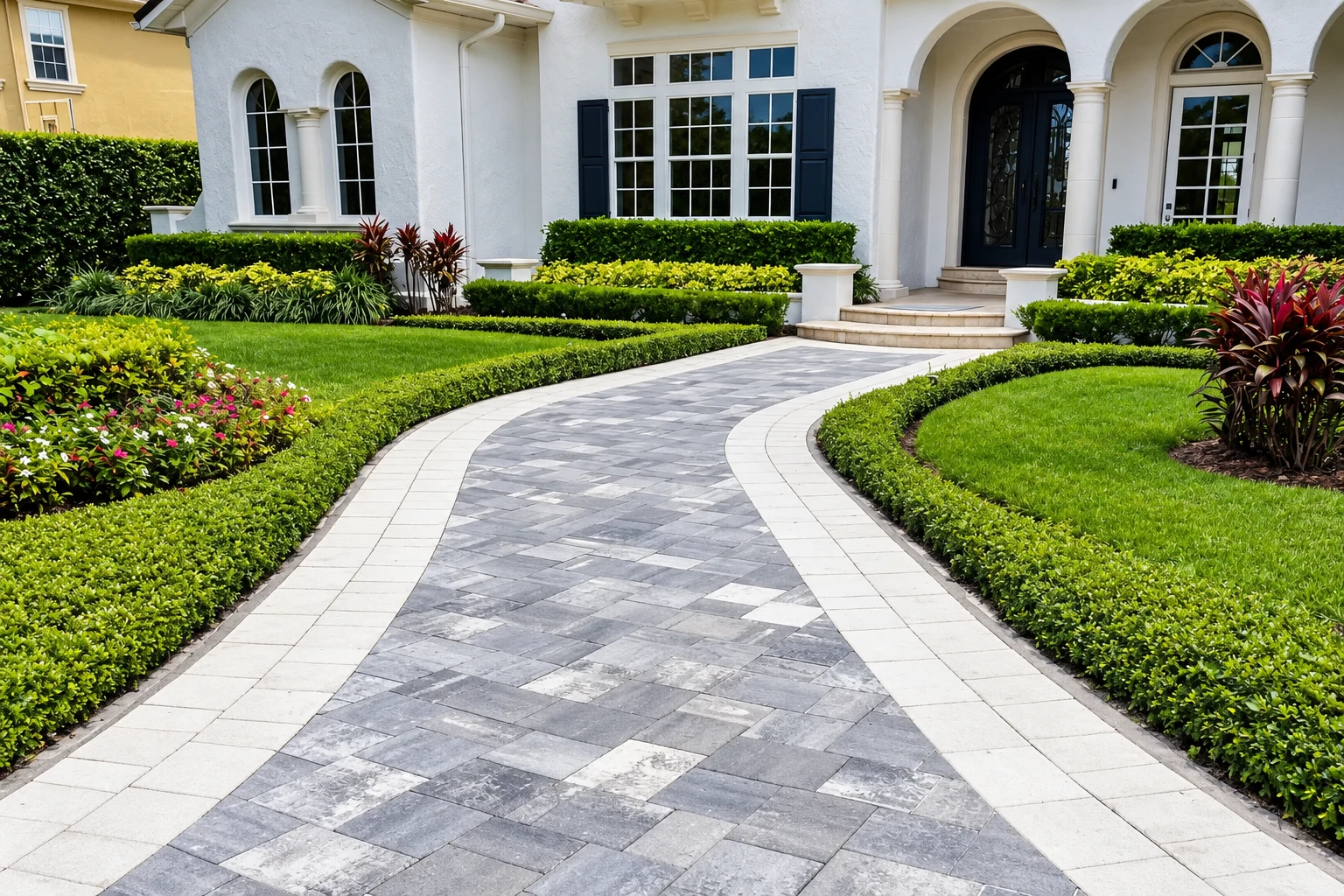
Stone veneer installation in Little Rock means fixing manufactured stone to an outside wall over lath, a metal mesh the mortar grips, with a water-resistive barrier behind it to keep water off the sheathing. It gives a plain foundation, porch or front wall the look of stone without building a stone wall.
Most veneer calls start with a bare block foundation, a plain front or porch columns someone's tired of looking at. The price moves with how many square feet you're covering, how many corners, windows and trim edges the stone has to work around, how high we have to work, and whether the wall needs repair before stone can go on.
The schedule turns on the weather, because fresh mortar doesn't like hard cold or hot, windy days. It also turns on whether the office that covers your address wants a permit, which we check before work starts and apply for when one's needed. At the estimate I look at the wall in person and write up what we'd do and why, with your figure in it.
I care that new work fits the house, so we talk through stone shape, color and joint width, and where the veneer meets your siding and trim, before anything goes up.
I'd rather walk you through the lath and the water layers twice than have you sign off on work you don't understand, and our work is satisfaction guaranteed.
We're based in Little Rock and work in the cities around it. I started the business in 2021 after years on my dad's crews and others around here.
First I look hard at the wall you want covered, because veneer only lasts on a sound surface. I'm checking what the wall is made of, whether it's cracked, soft or rotting anywhere, and how it's handling water now, since stone hides whatever's underneath it for good.
Then comes the part you won't see once it's finished. On a framed wall we fix the lath into the framing instead of trusting the sheathing alone, because fasteners set only in sheathing can work loose, more so once it gets wet, and solid fastening helps keep the stone on through a hard wind. Behind the lath, the water barrier over wood sheathing should be two separate layers, and I check both before any lath covers them.
If we're also building your concrete block walls or a foundation block wall, we plan the stone face along with the block so the two jobs fit together. Once the stone is set in mortar and the joints are tooled, we clean the face and the yard before we leave.
The gray block showing between your siding and the ground is a common thing people ask us to cover, and veneer gives it a finished face without rebuilding anything.
A band of stone across the lower part of the front wall breaks up plain siding, and keeping it low means fewer square feet to cover than a full wall.
Wrapping square porch posts or block piers in stone gives the entry some weight, and the corners take the most care because that's where the stone has to turn neatly.
A block garden wall, screen wall or planter can take a stone face so it matches the house, as long as the block underneath is sound and solid.
Send the form and we'll reply within one business day to set a time. I'll come look at the wall in person, and the estimate is free with no obligation.
I look at the wall myself and work on it alongside our crew, so the person who wrote your estimate is there when the lath and stone go up.
You get a write-up of the prep, the fastening and the stone, with the reason for each part, so you can hold it up against any other bid.
If your wall isn't ready to hold stone, I'll say so at the estimate and tell you what it would need first. There's no pressure to book either way.
Example stone shapes, colors, joint styles and wall layouts you can point to when we talk about what fits your house.
Here are the questions homeowners ask most before stone goes on, about cost, the wall underneath, weather, permits and licenses.
Installing stone veneer across the US usually costs about $25 to $40 per square foot, and that's the general market range for the installed work, not our price. Where your wall lands depends mostly on its size, shape and condition. At the estimate I measure it and write up our figure with what's included.
Often, but only if the wall is sound. Manufactured stone veneer shouldn't go over a wall that's deteriorating or unsound, or over EIFS, a foam-board siding with a stucco-like finish, and it isn't bonded straight to clay brick. When a surface won't bond to the stone, installers put up lath and a scratch coat, a rough base coat, first.
Yes, though very cold days and hot, windy days call for protecting the work. One trade group's model specification sets that at 40°F or below, and against fast drying above 100°F, or above 90°F with wind over 8 mph, from before the work until 48 or 72 hours after. A run of mild days keeps the schedule simpler.
Inside city limits, the City of Little Rock's Building Codes Division issues permits, but its list doesn't name stone veneer, so we check with the Building Permit Desk at (501) 371-4832 and apply when one's needed. Just outside the line, another office covers your address. In a historic district, the city's planning division oversees Certificates of Appropriateness, so ask the desk about one too.
In Arkansas, a home improvement contractor's license type sets how big a residential job they can take. A Limited license covers only residential projects under $50,000, labor and material included, while an Unlimited license covers residential home improvement projects of any size. We're fully licensed and insured. Ask any installer which one they hold.
Call (501) 274-1083 or use the form, and tell us the wall type, its condition, rough square feet and if you're inside city limits.