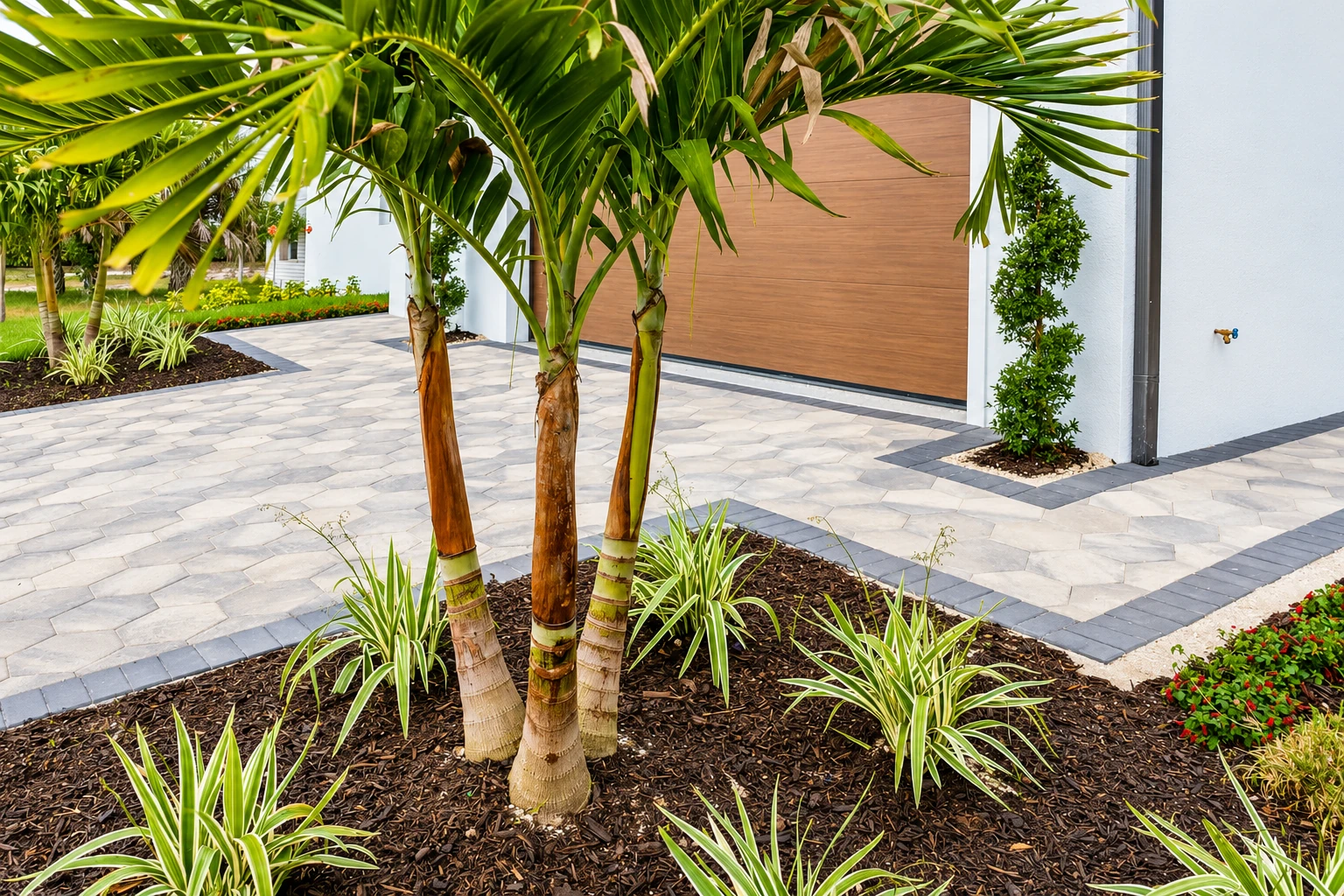
Foundation repair
When a crack shows up in brick or block around the base of the house, we find what's moving it first, then repair the wall so we're not just filling a crack that opens again.
Capstone Little Rock Masonry & Concrete is a masonry contractor working in East End, AR, repairing brick, mortar joints, chimneys and foundations and building retaining walls, walkways and stone work on the area's rural homes and lots.
East End is rural, and that shapes most of what we do out here. Lots run bigger and drives and walks run longer, and plenty of yards have a slope to hold back, so a call is as likely to be a retaining wall or a long walkway as a cracked joint on an older brick home.
What moves the price is how much wall, walk or chimney we're working on, how hard your brick or stone is to match, and how far we have to carry material from the truck to the work. The schedule turns on the weather, since mortar and concrete need dry, mild days to set right, and on how much we find once a wall is opened up. Your estimate is where you get the figure for your own job.
As a masonry contractor in Little Rock, AR, we work in the cities around it across central Arkansas, from Conway to Bryant and Benton, so East End is well inside where we go.
Repair and remodeling work on an existing single family home in Arkansas needs a license from the state's Residential Contractors Committee, apart from a few exemptions. We're fully licensed and insured.
I come out to look at each job myself and then work it alongside the crew, so the person who looked at your repair is the one making sure it matches.
Before work starts we check with the office that covers your address, and if a permit is needed we apply for it, so you're not left sorting that out.
When a crack shows up in brick or block around the base of the house, we find what's moving it first, then repair the wall so we're not just filling a crack that opens again.
Older chimneys out here usually go at the top first, where loose brick and a cracked cap let water in. We rebuild what's failing and match the rest.
We grind out crumbling mortar joints to a sound depth and refill them in a color and strength that suits your brick, so the old wall stays tight against rain.
Cracked, chipped or spalling brick, where the face flakes off, gets cut out and replaced with brick we match by size and color, so the patch doesn't stand out.
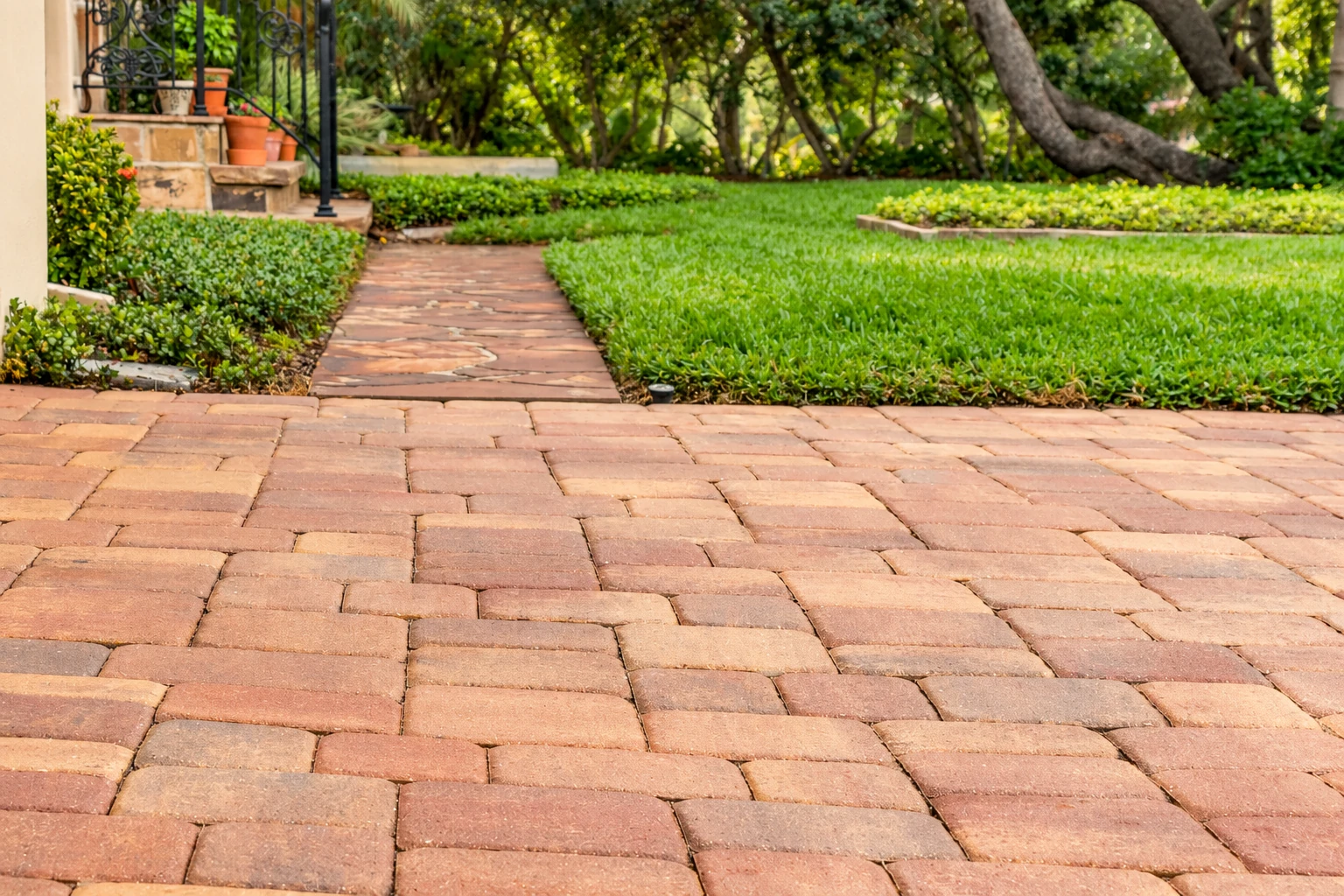
Long country drives see trucks and trailers, so we dig out and pack a solid base before setting pavers, and edge them so they stay put.
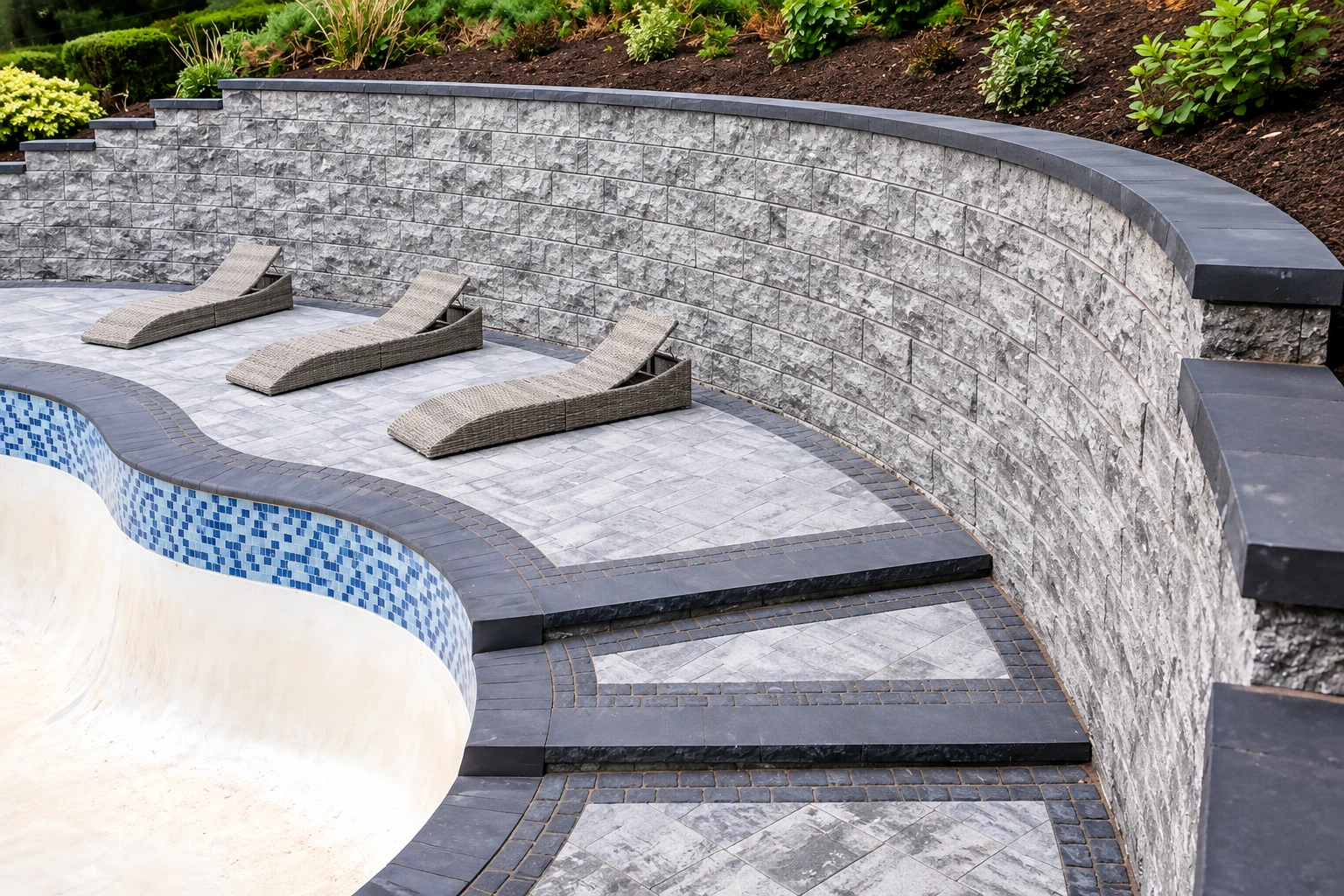
Sloped yards and cut banks are common on bigger lots, and a wall that holds them needs drainage behind it, so we build in gravel and drain pipe before the first row.
On older brick homes the job is matching what's there, so we clean, repoint and replace worn pieces in a way that keeps the house looking like itself.
We build masonry fireplaces in brick or stone, laid out with you for size and hearth before we start, because moving a firebox later means tearing it back down.
A thin stone facing needs a solid backing and a path for water behind it, so we build that first, whether it's porch columns, a foundation skirt or a full wall.
For shops, garden edges or property lines, we set block on a footing sized for the wall, with steel and grout where the height calls for it.
For additions, crawlspaces and outbuildings, we lay block square and level on a solid footing, because everything built above has to sit on it.
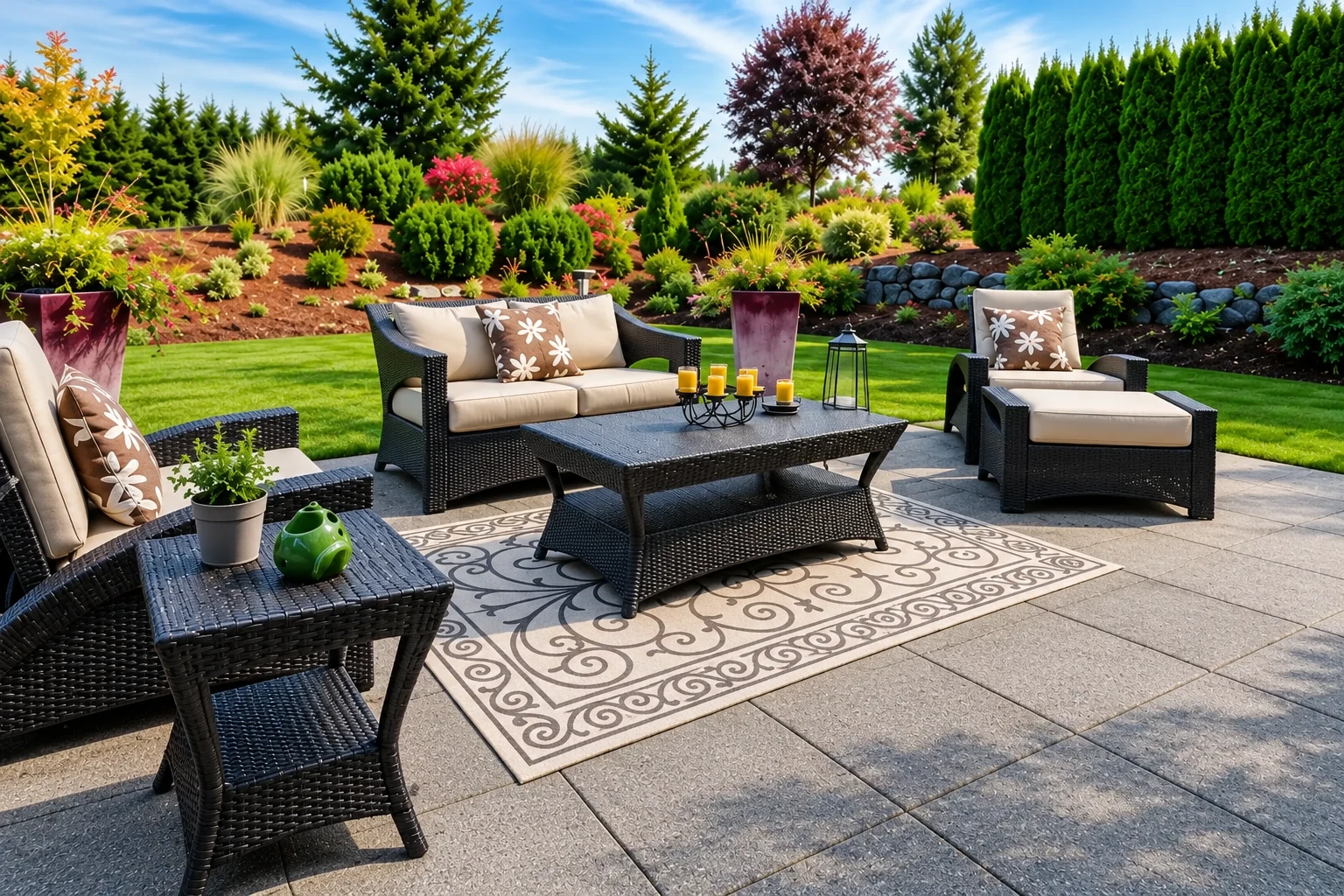
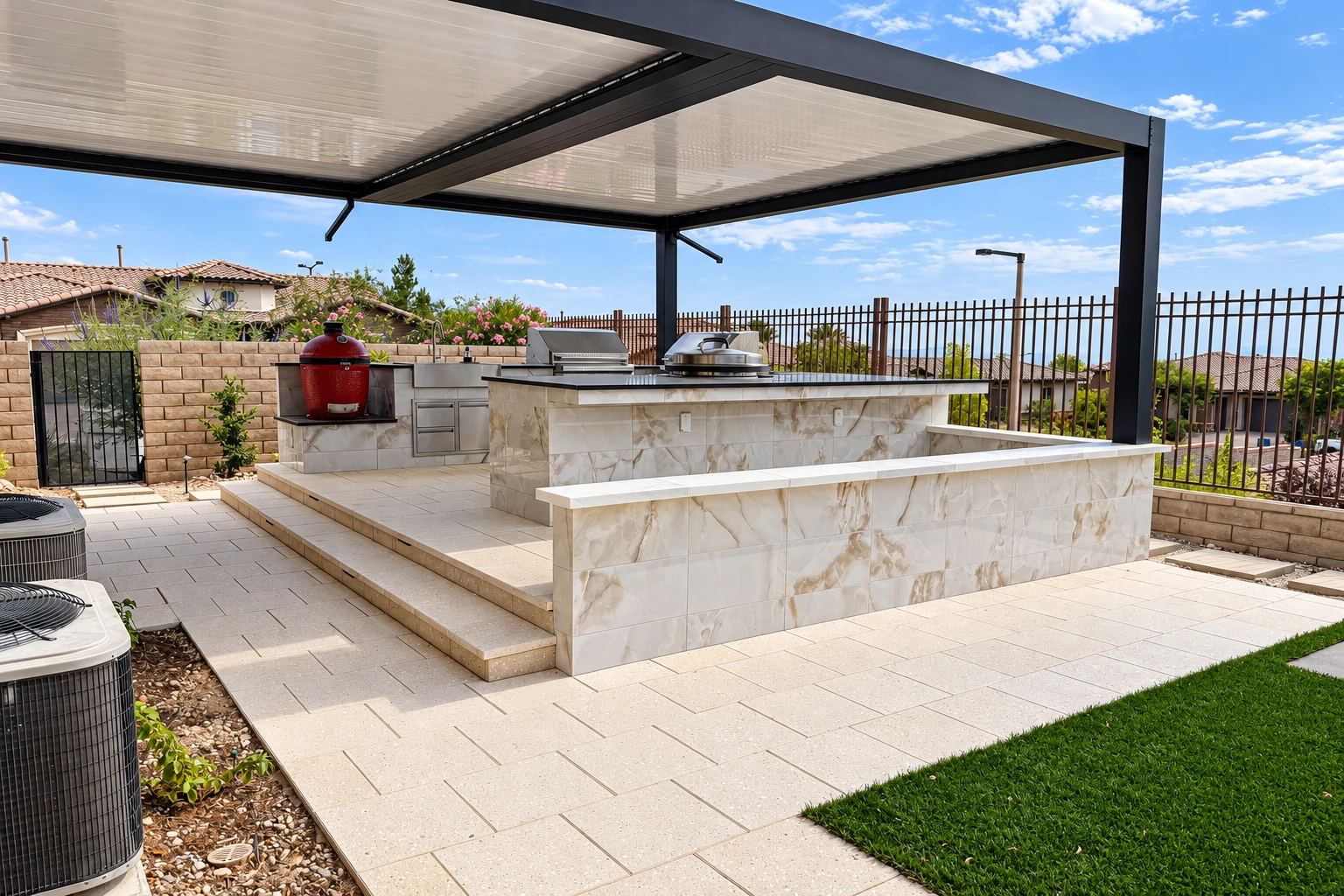
Bigger lots leave room to cook outside. We build the counters, grill surround and base in brick, block or stone, and leave openings where gas, water or power will run.
On a rural lot the walk from the drive to the door can be long, so we grade it to shed water and build it in brick, pavers, stone or concrete.
Garden walls, entry columns and screen walls get laid to match your house brick where we can find it, on a footing deep enough that the wall stays straight.
We lay natural stone for walls, steps, columns and borders, picking and fitting each piece by hand, which takes longer than brick but suits a country lot.
When only a few joints are cracked or missing, we point just those, filling them with mortar matched to the old so the repair blends in instead of standing out.
Send the form or call, and we'll reply within one business day to set a time to come out. The estimate is free, done at your property, and there's no pressure to book.
After looking at the work, I write up what we'd do and why, so you can read it over, compare it and decide without anyone standing over you.
I'd rather explain something twice than have you sign off on work you don't understand, so walk the house with me and point at anything that worries you.
New mortar and brick should work with the old instead of fighting it, so I'll tell you how we'll match what you have, and where an exact match isn't possible.
These are the questions East End homeowners usually ask about licenses, doing work themselves and flood information before a masonry job starts.
Yes, usually. Arkansas requires a state license for anyone who bids on or manages repairs, renovation or additions to an existing single family home. Jobs of $2,000 or less are exempt, though splitting a bigger job into smaller contracts doesn't get around it. Working without a required license is a misdemeanor, and each day counts as a separate offense.
Yes. Arkansas exempts a homeowner acting as their own contractor on their own single family home, so repointing a few joints or building a garden wall yourself doesn't take a contractor license. Anyone you hire to bid on or manage the work still needs one unless they're exempt. If you'd like me to look it over before you start, just call.
FEMA posts flood hazard information tables for Arkansas, sorted by county and community, so you'd look under Saline County. They show where flood hazard information exists, not a flood zone for any one home, and come out quarterly, with extra updates possible after a federal disaster declaration. It's worth a look before we plan a retaining wall on a low part of the lot.
These are the cities with their own page on our site, and we work in others across central Arkansas too, so call or send the form to ask about your address.
Call (501) 274-1083 or send the form, and we'll tell you plainly whether that crack needs work now or can wait.