

Foundation repair
When brick above the foundation cracks or a block foundation wall starts to bow, we find out what's moving before we repair the masonry, because patching a moving crack doesn't last.
Capstone Little Rock Masonry & Concrete is a masonry contractor based in Little Rock that repairs, repoints and builds brick, block and stone for Benton homeowners, from crumbling joints and cracked brick to new walks and retaining walls.
We're based in Little Rock and work in Benton the same way we do next door in Bryant or up in Cabot. The calls here are mostly the ones we get everywhere: mortar crumbling out of the joints on a brick house, a crack that's shown up in a wall, or a wall, walk or patio that's been put off. We're fully licensed and insured.
The price on a Benton job moves with how much brick, block or stone is involved, how hard it is to match what's already on the house, and how much digging and base work a wall or walk needs. The schedule turns on getting matching material in and on whether the city's Community Development Department has to issue a permit first. When I come out, I write up what we'd do and why, and that's where your own figure comes from.
Ground near water is the other thing I watch for here. The city counts properties near the Saline River and McNeil, Depot, Salt, Hurricane and Willow Depot creeks as most at risk in a 100-year flood, the size of flood the maps are drawn for, and updates to its flood maps pulled more of that ground into the mapped flood area. If your house is near one of them, the city asks for more, and the questions below cover what.
I come out to look at your brick, block or stone myself, and I work on the job with the crew, so the person who priced it is there when it's opened up.
Most of what we do is repointing and repair on older brick, and the whole job is getting new mortar and brick to work with the old instead of fighting it.
Before work starts we check with the office that covers your address, which in Benton means the city, and when a permit is needed we take care of applying for it.
When brick above the foundation cracks or a block foundation wall starts to bow, we find out what's moving before we repair the masonry, because patching a moving crack doesn't last.
Loose bricks, washed-out joints and a cracked crown at the top of the chimney let water into the house, so we rebuild what's failing and match the brick that's sound.
We grind out tired mortar, fill the joints in a color close to the brick and run a thin contrasting line down the middle, which makes worn, uneven brick look sharp again.
We cut out cracked bricks and ones whose face has flaked off, then set in replacements matched for size and color so the patch blends into the wall around it.
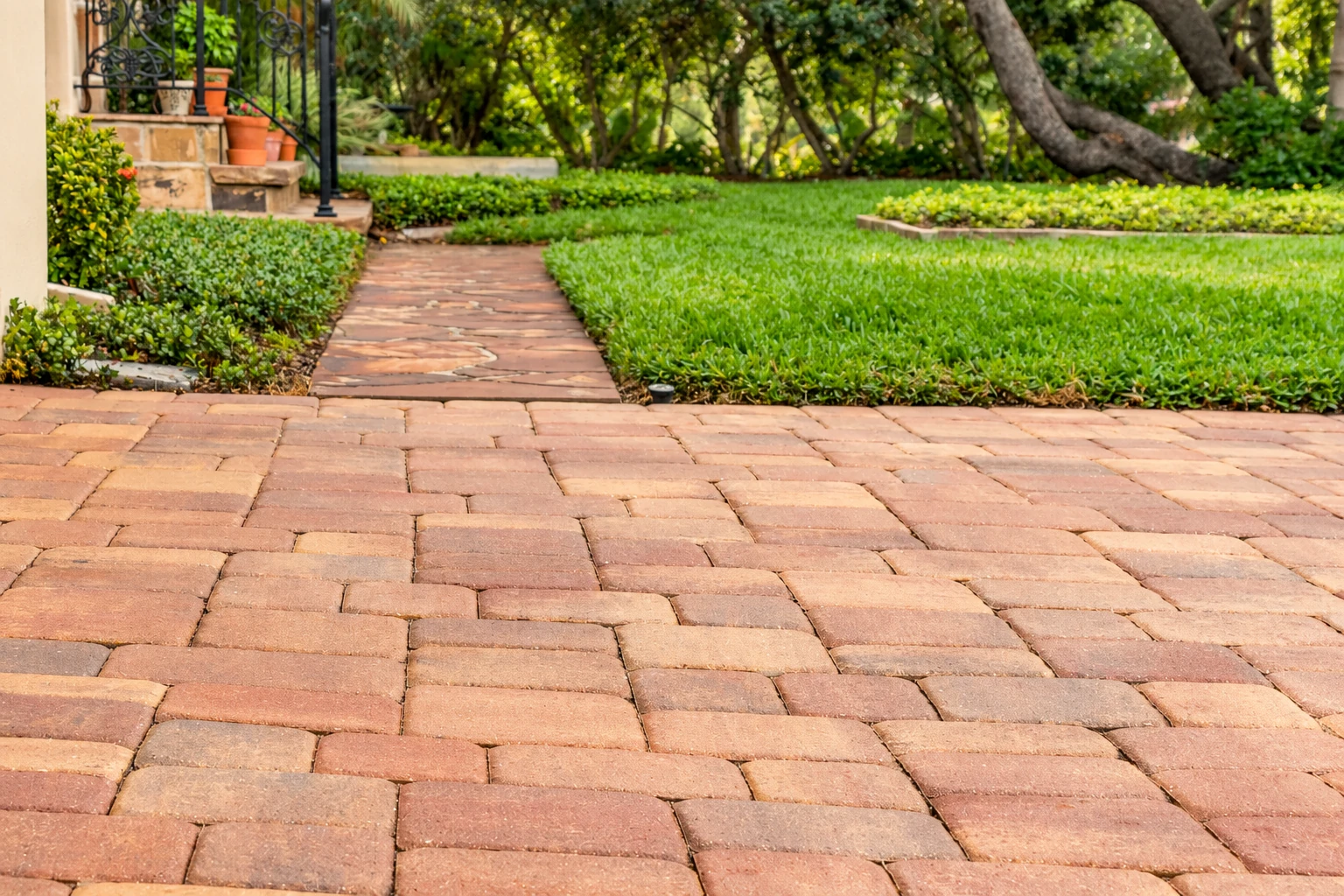
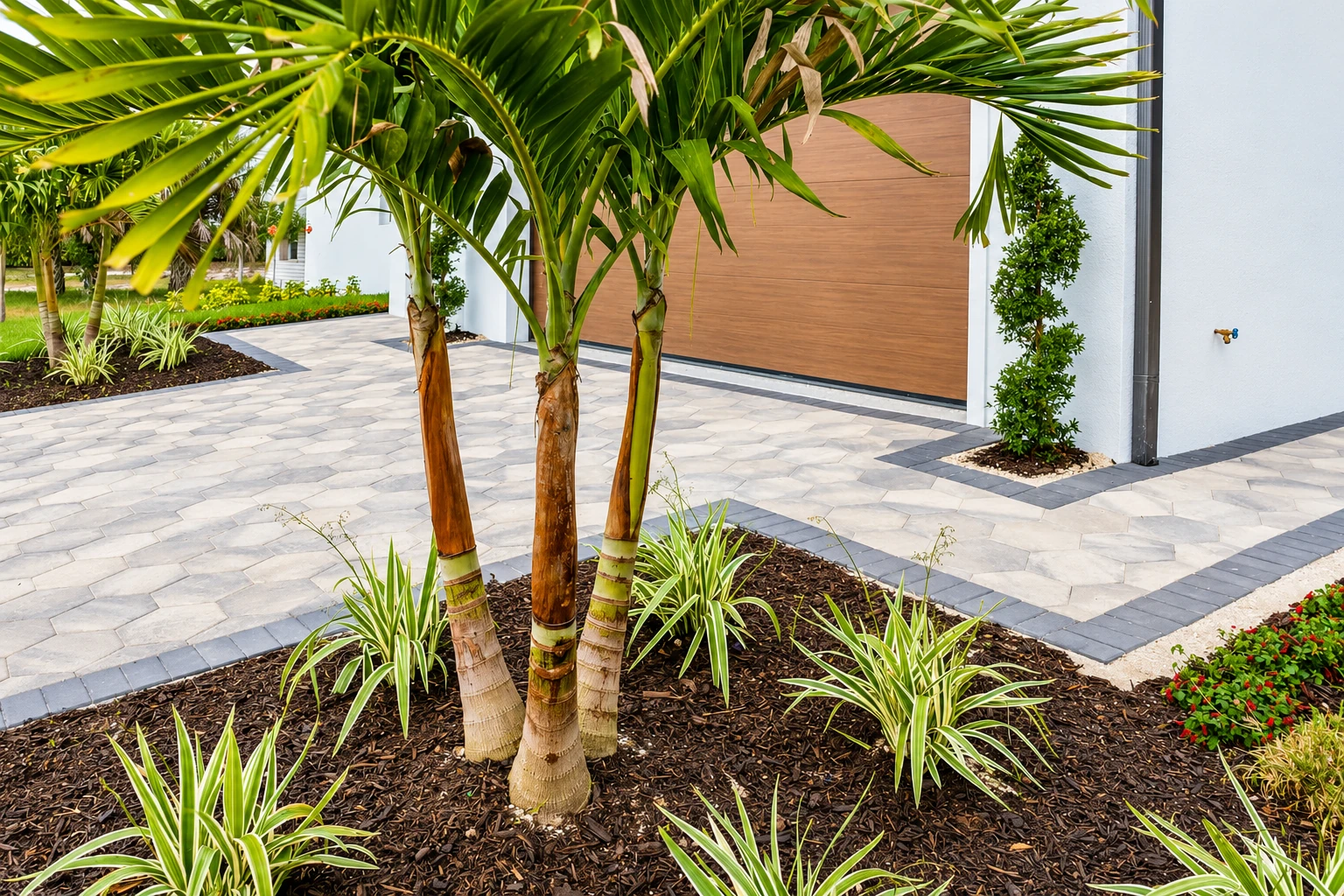
We dig out the old drive, pack a gravel base and lay pavers on it, and a cracked paver can be lifted and swapped later instead of breaking out a whole slab.
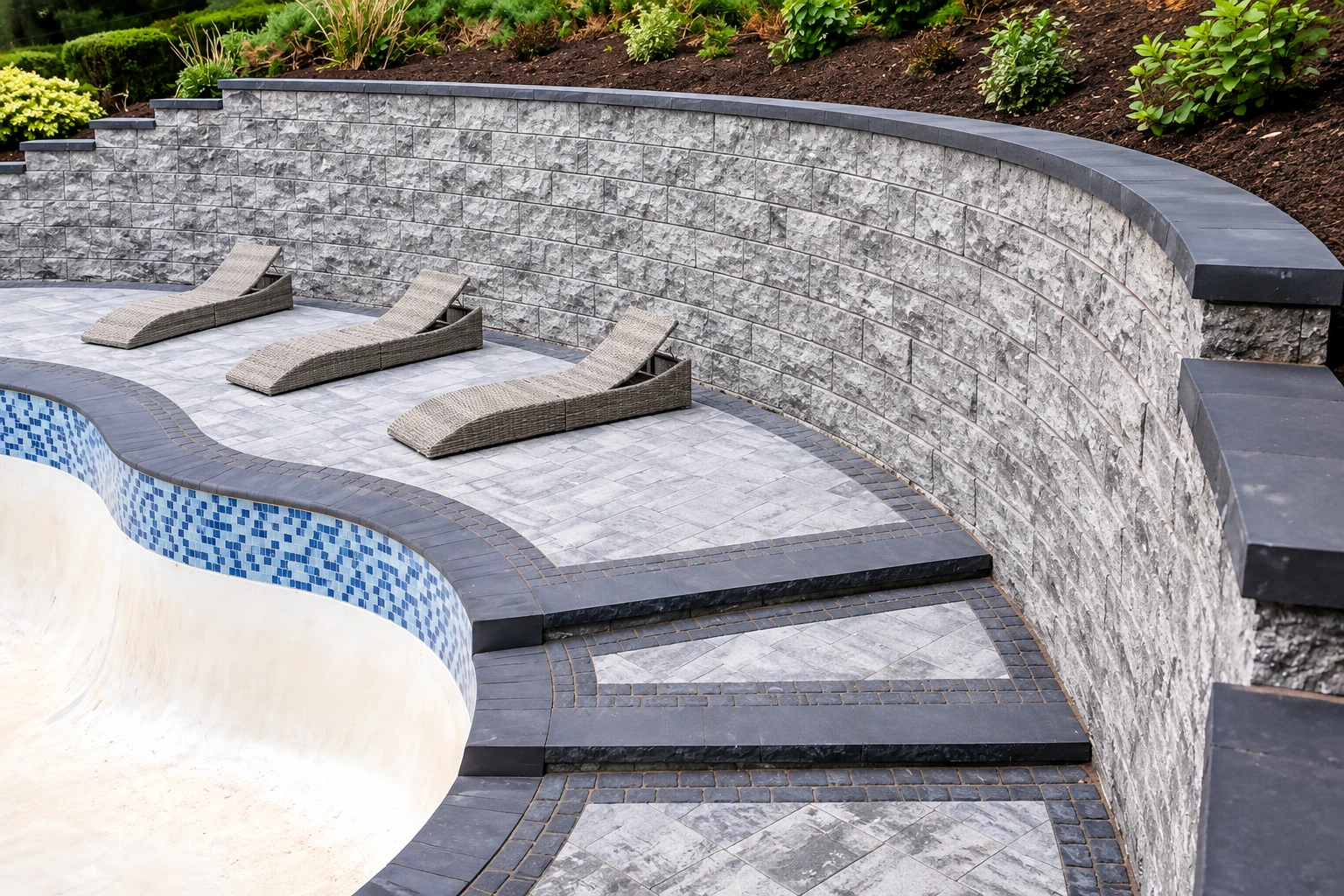
On a sloped yard, we build block or stone retaining walls with drainage gravel and a pipe behind them, because water trapped behind a wall is what pushes it over.
On an older brick house, we take the walls, steps and chimney as a whole, repairing and repointing with materials that suit the old brick so the house looks like itself again.
We build masonry fireplaces with the firebox and chimney sized to work together so smoke draws up and out, then face them in brick or stone that suits the room.
We set thin stone veneer over a proper backing and water barrier, so water that gets behind the stone on a wall or column base has a way to drain out.
We lay concrete block walls for garages, sheds and yard walls, starting on a footing and filling the hollow cores with grout and steel where the wall carries weight.
For additions and crawl spaces, we lay block foundation walls on a footing, keep them level and square, and leave vents and openings where the house above needs them.
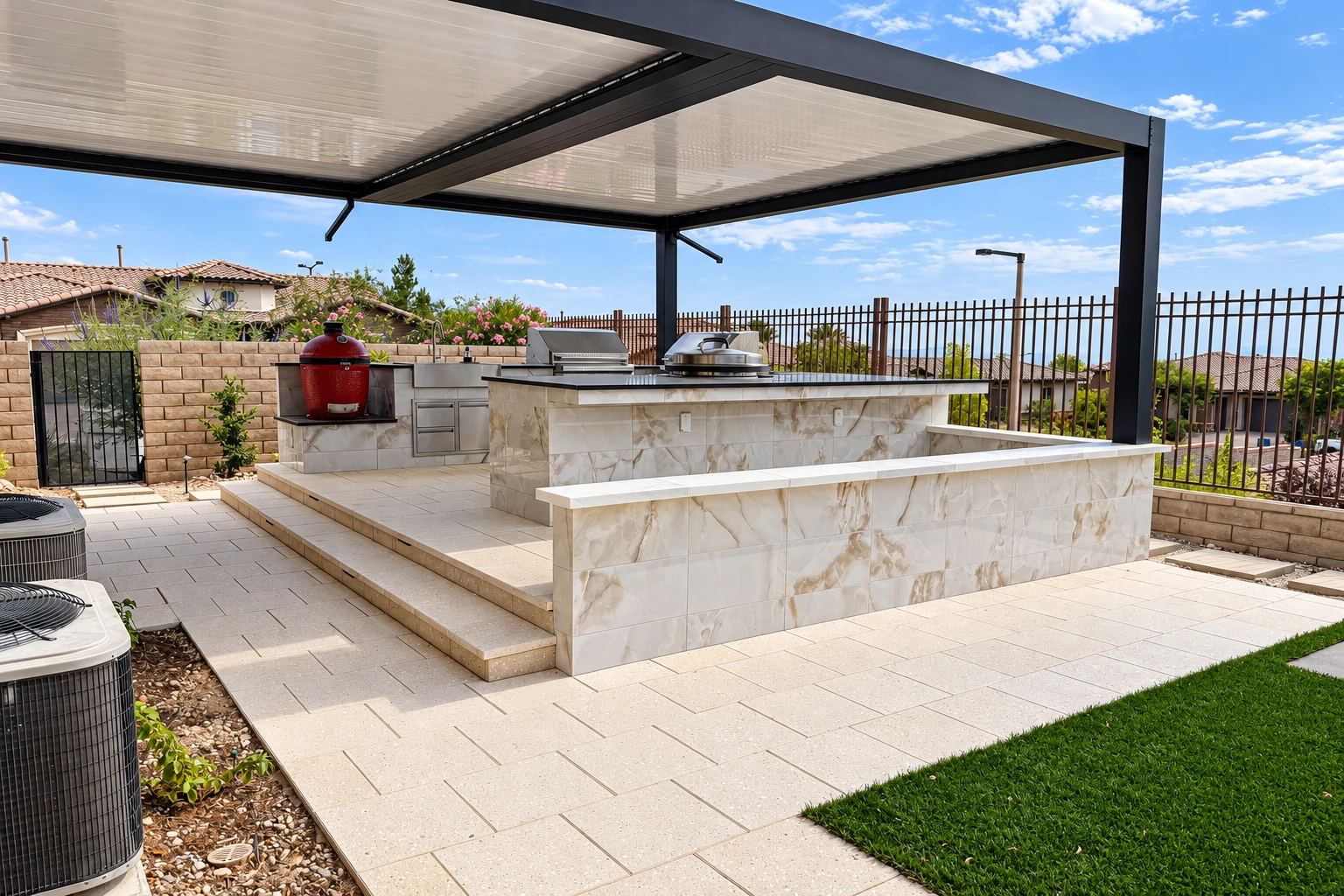
We build the block base and the brick or stone around a grill and counter, leaving room and openings for the gas line and appliances so the trades after us can finish.
We build brick, stone and paver walks from the drive to the door or to the yard, with a packed base and a slight pitch so rain runs off instead of pooling.
We build brick garden walls, fence walls and columns on a proper footing, with the brick, the laying pattern and the mortar color picked to go with your house.
We lay natural stone for walls, steps and planters, picking and shaping each piece by hand so the joints stay tight and the work looks settled rather than pieced together.
We rake out joints where the mortar has crumbled or gone sandy and refill them, matching the old mortar's softness and color so the new joints don't crack the brick around them.
Send the form and we'll reply within one business day. I come out, look at the work with you and write up what we'd do and why, with no obligation to book.
There's no charge for me to come to your house and look, because a fair number for brick or stone work depends on seeing the joints, the cracks and the ground around them.
I'll explain any part of the job as many times as you need, because I don't want you signing off on work you don't understand. Ask while we're standing at the wall.
Take the write-up, compare it and think it over, because there's no obligation, and I'll tell you plainly if part of the job can wait.
These are the questions about permits, flood maps and city rules that come up when Benton homeowners plan brick, block or stone work.
Most likely, yes, because the city's guidance says any construction, inside or outside a structure, needs a permit from the city. You can see the forms on the city's permits and applications page, but you don't have to fill them out yourself, since checking with the city and applying is part of how we start a job.
Yes, if the wall is over 4 feet tall, because the city requires any retaining wall or steep slope over that height to be designed and certified by an engineer. Shorter walls still go on the city's application when they're new, repaired or changed, and the city asks that you check with its Storm Water staff that permits are in place first.
No, there's no fee, though the city still requires a permit and drawings that show the work and where it sits on your property. Height limits come with it, since a fence can't go over 6 feet unless approved by exception, and a front-yard fence can't go over 3 feet. That's worth knowing before we plan a brick or block fence wall.
Building in the mapped flood area takes a Flood Development Permit and an Elevation Certificate, and remodeling an older home there can bring other requirements, which may include special flood proofing. Those rules also cover repairs or improvements worth half the original building's value. If you're not sure where your lot falls, the city's Floodplain Administrator takes those questions at (501) 776-5938.
Yes, the city requires every person or company doing business inside city limits to hold a privilege license, and it runs out at the end of each calendar year. That matters for your job because the city issues building permits only with proof of a current privilege license or an exemption, so ask any contractor you're weighing whether theirs is current.
Each city below has its own page about the masonry work we do there. If your address isn't listed, call or send the form and ask, since we work across central Arkansas.
Call (501) 274-1083 any day of the week or send the form, because a loose joint caught early is usually a smaller repair.